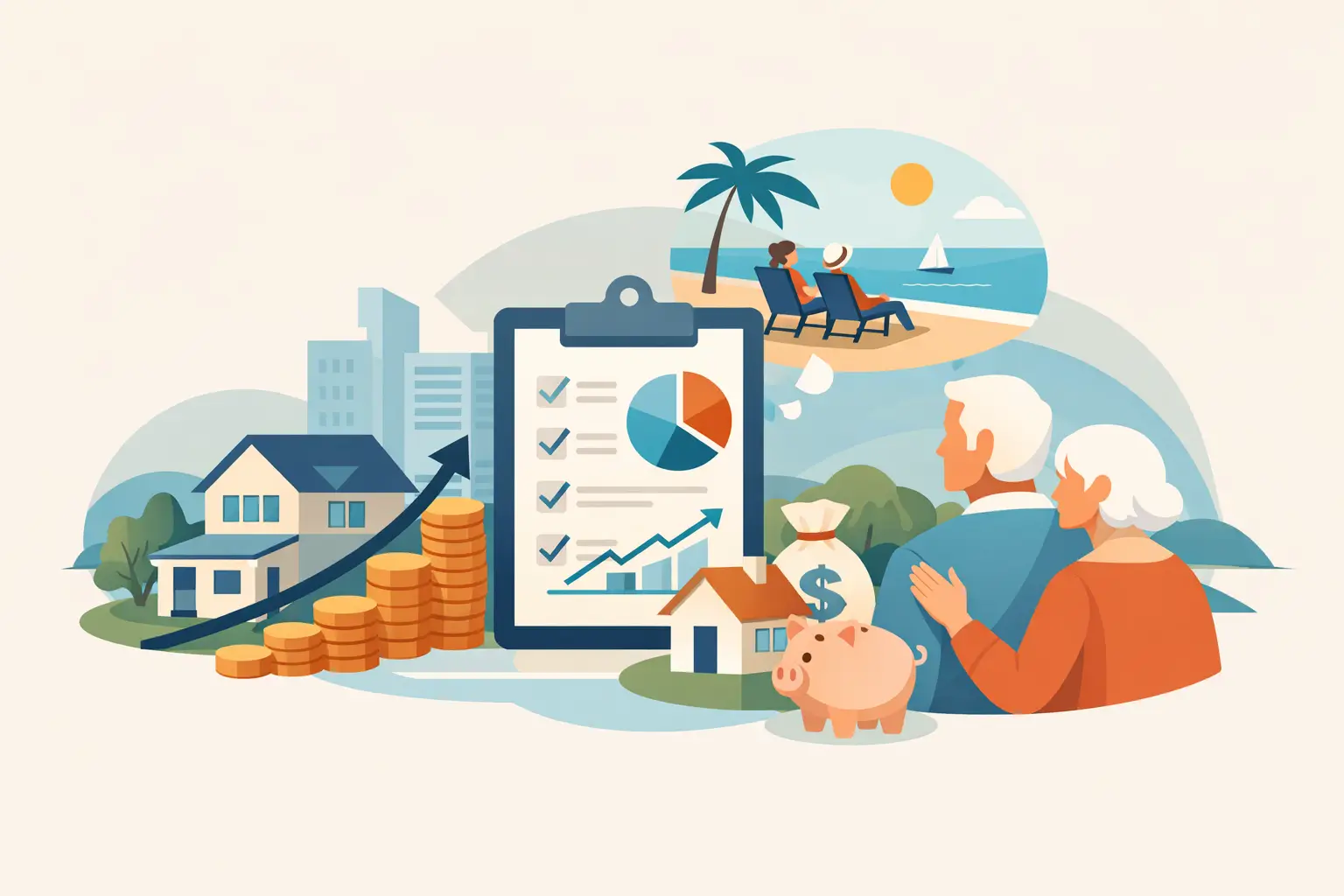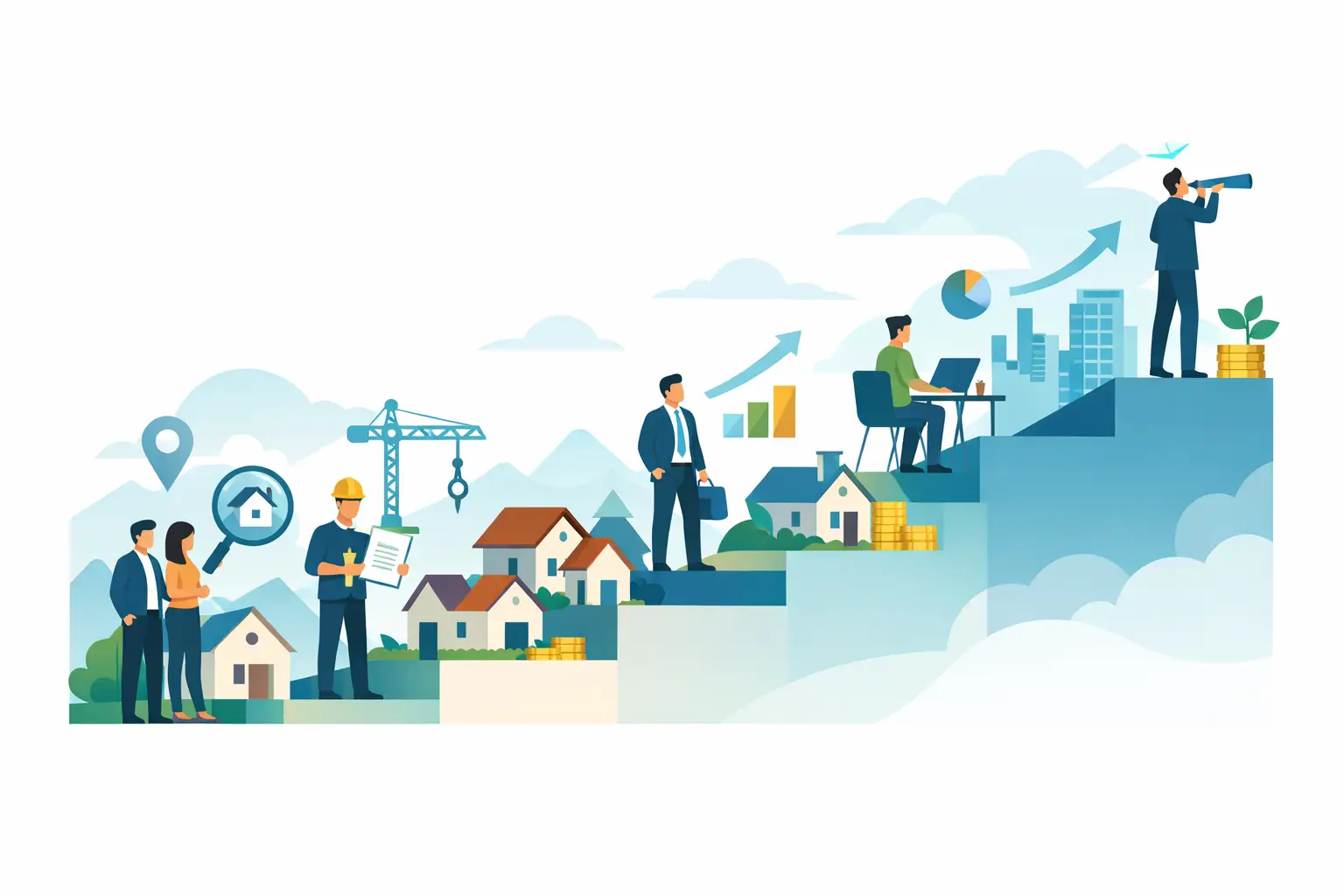
A lot of people think wealth starts when income gets high. In reality, the stages of building wealth usually begin much earlier – when you stop treating property as just a place to stay and start treating it as part of a long-term plan.
That shift matters, especially for working adults and families who want more than monthly survival. In Singapore, property often becomes the largest asset you will ever own. If you approach it casually, it can trap your cash flow for years. If you approach it strategically, it can become a strong foundation for net worth growth, upgrading, and retirement security.
Why the stages of building wealth matter
Not everyone is at the same starting point. A first-time buyer in their early 30s has a very different set of decisions from a family considering a condo upgrade or a homeowner thinking about retirement income. The mistake is assuming everyone should chase the same outcome.
Wealth building works better when you understand what stage you are in, what the job of that stage is, and what must happen before you move to the next one. This creates patience. It also prevents expensive moves made for status rather than strategy.
For many households, the goal is not simply to own more property. The goal is to improve financial position over time through better asset choices, stronger equity, manageable debt, and smarter timing. Property is useful because it combines forced discipline, leverage, and capital appreciation – but only when those pieces are managed with care.
Stage 1: Financial stability before aggressive growth
The first stage of building wealth is not exciting, but it is the one most people try to skip. Before you think about upgrading, investing, or stretching for a bigger home, you need financial control.
That means stable income, healthy savings habits, a clear view of your loan comfort zone, and enough reserves to handle life without panic. A household that buys at the edge of affordability may still become a property owner, but ownership alone does not equal progress. If every month feels tight, the property is controlling you instead of helping you build wealth.
This stage is where discipline matters more than appearance. You may qualify for a certain purchase price on paper, but the better question is whether that price still leaves room for savings, children, aging parents, insurance, and future flexibility. Real wealth planning starts with margin.
For some, this phase means buying a practical first home rather than a dream home. For others, it means waiting one or two years to strengthen cash reserves and improve loan readiness. Neither choice is glamorous. Both can be wise.
Stage 2: Ownership with purpose
Once financial stability is in place, the next stage is ownership with a clear role. This is where many first-time buyers make their biggest mistake. They buy based on emotion, layout, or short-term convenience without asking how the asset fits into a bigger journey.
A home should still serve your lifestyle, but it should also be evaluated through a wealth lens. Is the location likely to remain desirable? Is the entry price reasonable relative to future demand? Will the property support future upgrading options? Are you building equity in a way that improves your next move?
This is where a structured framework becomes useful. In advisory work, one of the clearest ways to think about this is through four moving parts: loan principal repayment, income growth, personal savings, and capital profit. These are not abstract ideas. They are the mechanics behind whether one property decision creates momentum for the next.
When your monthly payments reduce principal, your income rises over time, your savings remain intact, and the asset has room for appreciation, ownership becomes productive. It is no longer just housing. It becomes a platform.
Stage 3: Equity growth and asset progression
The middle stage is where wealth begins to feel real, but also where people get impatient. After a few years of ownership, you may have built equity through loan repayment and market appreciation. This creates options, and options can be dangerous if they are not examined carefully.
Some homeowners see rising values and assume they should upgrade immediately. Others become overly cautious and stay in a property long after it stops serving their broader goals. The right move depends on numbers, family plans, holding timeline, and the quality of the current asset.
When an upgrade makes sense
An upgrade makes sense when it improves both lifestyle and long-term financial position. That could mean moving from an HDB to a condo with stronger upside potential, repositioning into a better location, or restructuring ownership to support future retirement goals.
But upgrading should not be treated as proof of success. If the next property stretches your cash flow too hard, increases your risk, or weakens your overall savings capacity, it may delay wealth rather than accelerate it.
When staying put is smarter
Sometimes the stronger move is to hold. If your current property has healthy appreciation potential, your financing is comfortable, and your family needs are already met, there is no prize for moving too early.
In Singapore especially, transaction costs, loan limits, seller timelines, and policy considerations can all affect whether an upgrade creates value. Strategy is not about moving often. It is about moving well.
Stage 4: Building a portfolio mindset
The fourth stage of building wealth is mental as much as financial. This is when you stop viewing property as one isolated purchase and begin seeing your housing decisions as part of an asset structure.
For some households, this stage includes acquiring an additional property. For others, it means optimizing one strong residential asset while growing liquidity elsewhere. A portfolio mindset does not always require multiple properties. It requires understanding how your assets work together.
This is also the point where experienced homeowners begin asking better questions. Instead of asking, “Can I buy?” they ask, “What does this purchase do for my five- to ten-year position?” Instead of focusing only on monthly installments, they think about opportunity cost, capital efficiency, and exit pathways.
This mindset shift is powerful because it brings intentionality. A family that plans around life stages, school needs, income progression, and retirement targets makes different decisions from a family that reacts only when prices move or peers make a change.
That is often the difference between owning property and using property to build wealth.
Stage 5: Preservation and retirement positioning
Many people spend years trying to accumulate assets but give too little attention to the final stage – preserving and using wealth well.
At this point, the question changes. It is no longer only about growth. It becomes about stability, liquidity, debt reduction, and how your property supports the life you want later on. Do you want to stay in the same home during retirement? Would downsizing improve cash flow? Is there a way to restructure assets so that housing security and retirement income work together?
This is where mature planning matters. A property that looked perfect during your high-earning years may not be the most efficient asset in your 60s. Likewise, a well-positioned property with strong equity can become a major source of retirement strength if planned properly.
The strongest wealth plans are not built only for acquisition. They are built for transition. Every stage should prepare you for the next one, including the season when preservation matters more than expansion.
What often slows people down
In real life, wealth does not move in a straight line. Careers change, children arrive, interest rates shift, and market cycles test confidence. That is normal.
What slows people down is usually not lack of ambition. It is lack of clarity. Some buy too early without reserves. Some hold poor assets for too long. Some upgrade based on emotion. Some assume higher income alone will solve weak strategy.
A better approach is to review your position regularly. Understand your loan balance, equity, savings rate, income direction, and property potential. When those pieces are measured together, your next decision becomes much clearer.
This is the kind of planning Nurayat emphasizes because families do not need more noise. They need a framework they can trust, especially when the stakes are high and the decisions are not easily reversed.
The truth is that wealth rarely comes from one brilliant move. It is usually built through a sequence of disciplined decisions made at the right time, with the right purpose. If you know which stage you are in today, you are already in a stronger position than someone chasing the next property without a plan.
The next step is not to rush. It is to make sure your current property, your cash flow, and your long-term goals are moving in the same direction.