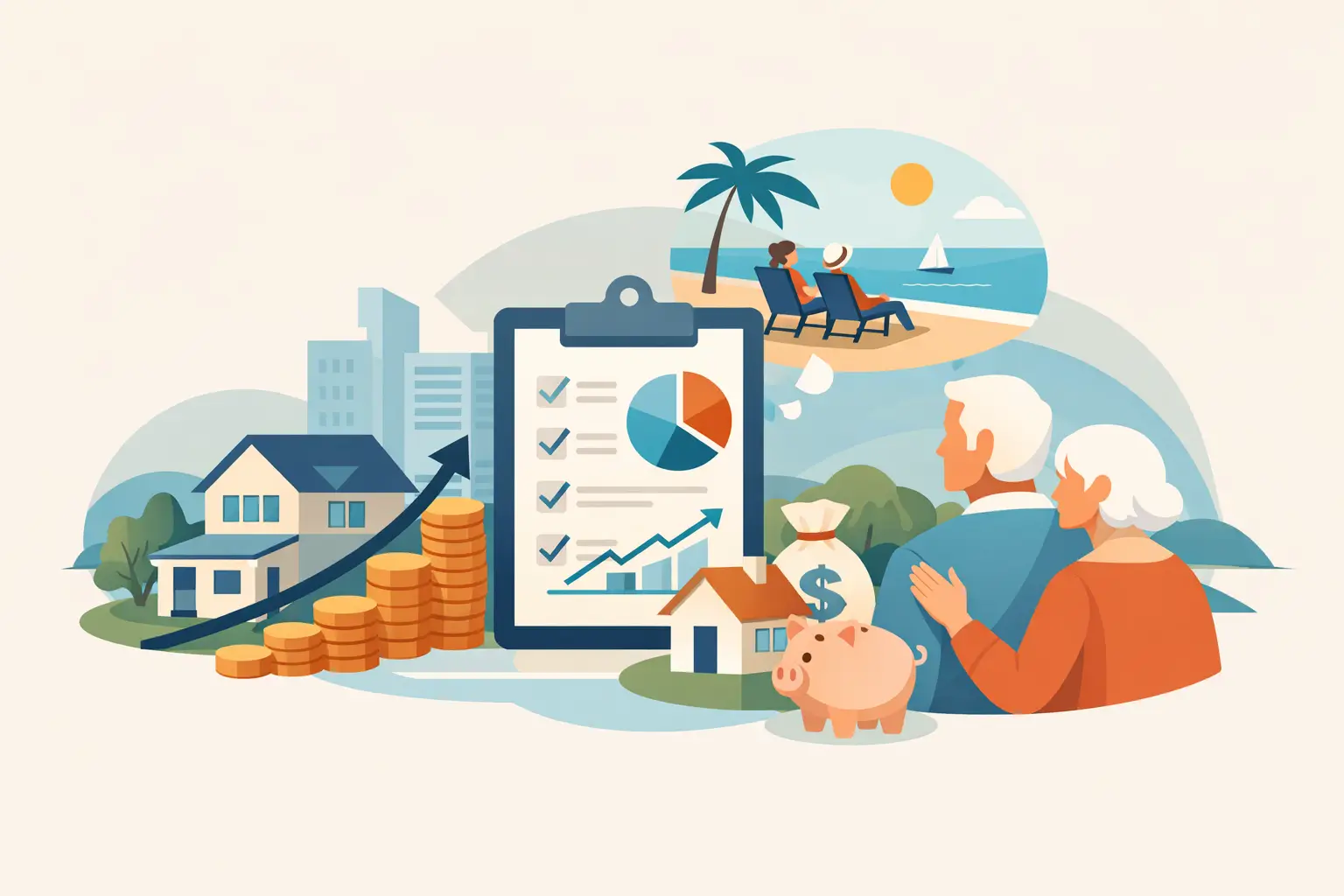
Most first-time buyers think the biggest question is, “Can I afford this home?” In reality, the better question is, “Will this purchase strengthen my financial position five to ten years from now?” That shift is where a real first time home buyer strategy begins.
For many buyers in Singapore, the first property purchase is treated as a one-time milestone. You save for the down payment, work out the monthly payment, collect the keys, and hope you made a good move. But hope is not a strategy. If your first home is your largest early-life asset, then it deserves the same level of planning you would give any major financial decision.
A good first-home plan is not about stretching to buy the most expensive unit the bank will allow. It is about choosing a property that supports your life today while also creating options for tomorrow. That means looking beyond the showroom appeal and asking how this purchase fits your income growth, savings rate, debt profile, and future upgrading path.
What a first time home buyer strategy should actually do
A strong strategy should solve more than the transaction itself. It should help you enter the market safely, keep your finances stable, and position you for future progress.
That matters because a home can either become a platform for wealth building or a source of long-term financial pressure. The difference often comes down to how the purchase was structured from the start. Buyers who focus only on what they can buy today may overlook cash flow strain, weak resale potential, or a layout and location that limit future demand. Buyers who plan properly tend to make calmer decisions because they understand the role of the property in a wider financial journey.
This is where many people need clearer guidance. The market is full of advice about grants, rates, and launch prices, but much less attention is given to strategic fit. A first property should not just be affordable on paper. It should be sustainable in real life.
Start with affordability, but define it properly
Affordability is not the same as maximum loan eligibility. That number tells you the ceiling, not the comfort zone.
A practical benchmark is whether your housing costs still leave enough room for savings, emergency reserves, insurance, daily living, and future family expenses. If buying the home leaves you with no margin every month, the property may be technically attainable but financially unhealthy. This is especially true for young couples planning for children, career changes, or one income temporarily dropping.
There is always a trade-off. A better location may mean a smaller unit. A newer project may mean tighter monthly obligations. A lower entry price may mean weaker long-term demand. The right choice depends on your current stage, but the principle stays the same: buy with breathing room.
In advisory work, I often remind first-time buyers that confidence comes from clarity, not from buying at the edge of your limit. A property should support your progress, not consume it.
Cash flow matters more than excitement
Many first purchases are driven by emotion. That is understandable. A first home carries pride, security, and a sense of arrival. But the monthly payment will outlast the excitement of collecting keys.
Look closely at your fixed obligations after the purchase. Can you still save consistently? Can you handle interest rate changes? Can you manage renovation without damaging your reserves? If the answer is no, the issue is not the property market. The issue is the structure of the purchase.
Buy a home with an exit and upgrade path in mind
One of the biggest mistakes first-time buyers make is buying as if they will live there forever, even when their life stage clearly suggests change ahead.
Your first property does not need to be your dream home. It needs to be a useful asset. For some, that means a well-located HDB flat with strong everyday demand and practical layout. For others, it may mean entering the private market at a manageable level because their income trajectory and long-term plans support that move. The point is not to chase status. The point is to choose an asset that keeps future options open.
Ask a few hard questions before committing. If your family grows, will this home still work? If you need to sell in five to seven years, who is the likely buyer? If the market softens, will this property still be relatively defensible because of location, accessibility, or layout efficiency?
These questions shift your thinking from consumption to strategy. That is how property starts to function as a wealth tool rather than just a lifestyle expense.
The four pillars behind a stronger buying decision
A disciplined first-home plan works best when it connects four moving parts: loan repayment, income progression, savings discipline, and capital growth potential.
Loan repayment matters because every monthly payment should steadily build ownership, not just service debt. Income progression matters because your buying decision today should reflect where your earnings are likely to go, without assuming unrealistic jumps. Savings discipline matters because property wealth is fragile when there is no liquidity. Capital growth potential matters because your first home can create the equity base for your next move.
When these four parts align, the purchase becomes more than a housing decision. It becomes a structured step forward.
This is why two buyers with the same income can have very different outcomes. One may buy a property that looks impressive but leaves little room to save or upgrade. Another may buy more strategically, reduce unnecessary strain, and build a stronger equity position over time. The second buyer is not just owning a home. They are building momentum.
How to judge the right property for your first time home buyer strategy
There is no single perfect property type for every first-time buyer. The better question is whether the asset matches your goals and financial profile.
If stability and long-term occupancy are the priority, then practicality becomes critical. Look at commute time, nearby amenities, family suitability, and future livability. If the property is likely to be a stepping stone, then resale strength should be part of the decision from day one. That includes buyer demand, surrounding supply, unit efficiency, and entry price relative to the area.
Be careful with purchases made mainly because they feel urgent. New launches, limited units, and market headlines can create pressure. Pressure often leads to poor decisions. A good property still has to make sense after the excitement fades.
Do not ignore the hidden cost of a wrong first move
A weak first purchase can delay progress by years. Overpaying, underestimating renovation, buying in a poor location, or stretching monthly commitments too far can reduce your ability to save and respond to life changes.
The cost is not only financial. It also affects confidence. Buyers who feel stuck in the wrong property often become overly cautious later, even when good opportunities appear. A sound first purchase, on the other hand, creates options. It gives you more control over timing, upgrading, and long-term planning.
Strategy is personal, not generic
This is where online checklists fall short. Two households can earn the same amount and still need completely different advice. One may value flexibility because a career move is likely. Another may need more stability because children are coming soon. One may have strong family support and high savings discipline. Another may need a more conservative structure because cash reserves are thin.
That is why a real first time home buyer strategy has to be tailored. The property, financing, holding period, and exit plan should reflect your life, not just market averages.
For buyers who want to use property as part of a larger wealth plan, this matters even more. The first purchase sets habits. It teaches how to assess affordability, how to think about equity, and how to connect home ownership with future financial goals. Done well, it can become the foundation for a stronger asset progression journey.
What first-time buyers should remember before they commit
The smartest first purchase is usually not the most glamorous one. It is the one that keeps your finances healthy, suits your current life stage, and gives you room to grow. That kind of decision may look conservative on the surface, but over time it often proves to be the more powerful move.
If you are buying your first home, do not focus only on getting into the market. Focus on getting in well. A well-bought property can support your next chapter. A poorly structured one can make every next chapter harder.
Clarity beats urgency every time, and the right home should strengthen both your daily life and your future choices.